Table of Contents
What is Resistance Training and Why is it Important?
Resistance training (also known as strength training) is working against a force to build strength and endurance. This can be done with free weights, resistance bands or bodyweight exercises. For swimmers and triathletes, resistance training is essential. It not only improves performance but also overall athletic resilience.
The importance of resistance training for swimmers and triathletes lies in its many benefits. From increasing power output to improving muscle coordination, effective resistance training will give you noticeable gains in speed and endurance in the races. Understanding these benefits is the first step to adding resistance training to your current fitness routine. At Performance Cubed, we believe in the trifecta of excellence in swimming: Mind, Body, and Soul.
How does Resistance Training build Muscle Strength?
A strong foundation is key for both swimming and cycling and resistance training is at the heart of this. By targeting the muscle groups used in swimming and cycling, athletes can build the strength to propel themselves through the water and over the terrain with efficiency. For example, exercises that strengthen the core, shoulders and legs are particularly useful, as these muscles are heavily used in the swimming strokes and cycling pedals.
Plus, improved muscle recruitment during the events can make a big difference. Resistance training helps to improve neuromuscular connections so athletes can activate their muscle fibres more effectively. As a result, swimmers will feel more power in their strokes and cyclists will generate more torque on the climbs, overall improving their performance.
Can Resistance Training improve Endurance?
One of the often-overlooked benefits of resistance training is that it can improve endurance. It may seem counter intuitive, but strength training can increase endurance for longer events. By building strength athletes can maintain their form and performance throughout a race without fading out as quickly. Adding resistance training to your regimen will give you better time trial performances and overall race results. Our resistance training products can help you create a balanced training plan.
Adding resistance work to your training schedule requires planning. Athletes should balance resistance training with their main swim, bike and run workouts. This could mean 2-3 resistance sessions a week, targeting different muscle groups to avoid overtraining and still get endurance benefits.
What are the Best Recovery Techniques through Resistance Training?
Active recovery is essential for any athlete and resistance training can be a part of this. Doing light resistance exercises can promote blood flow to the sore muscles and aid in recovery. Resistance band stretches or bodyweight exercises can help to release tension and repair the muscles.
Reducing muscle soreness through targeted resistance training is another big advantage. By adding resistance to your recovery days you can reduce the discomfort of intense training sessions. This proactive approach will get you quicker back to peak performance and overall more efficient training.
How Does Resistance Training Allow for Specific Muscle Targeting?
One of the best things about resistance training is it allows you to target the specific muscles needed for swimming and triathlon. For swimmers, targeting the lats, pecs and core helps with stroke efficiency and propulsion in the water. Resistance exercises like pull-ups and lat pull-downs will strengthen those muscles and translate to better performance in the pool.
Triathletes on the other hand target the muscles that support cycling and running. Resistance training can focus on leg strength, core stability and shoulder endurance which are all important for triathlon. Squats and lunges will build the strength needed for long distance cycling and running and overall athletic performance.
Can Technique Be Improved with Resistance Training?
Improving swim stroke efficiency and cycling and running form are part of an athlete’s journey. Resistance training provides a way to refine those techniques by improving muscle coordination and engagement. For example, working on stability through resistance exercises can lead to a more streamlined swim stroke, less drag and more speed.
Also, resistance training improves biomechanics in cycling and running which can lead to more efficiency and less energy expenditure. Athletes who focus on form while doing resistance exercises often see improvements in their performance metrics and faster race times and results.
How Versatile is Resistance Training Gear?
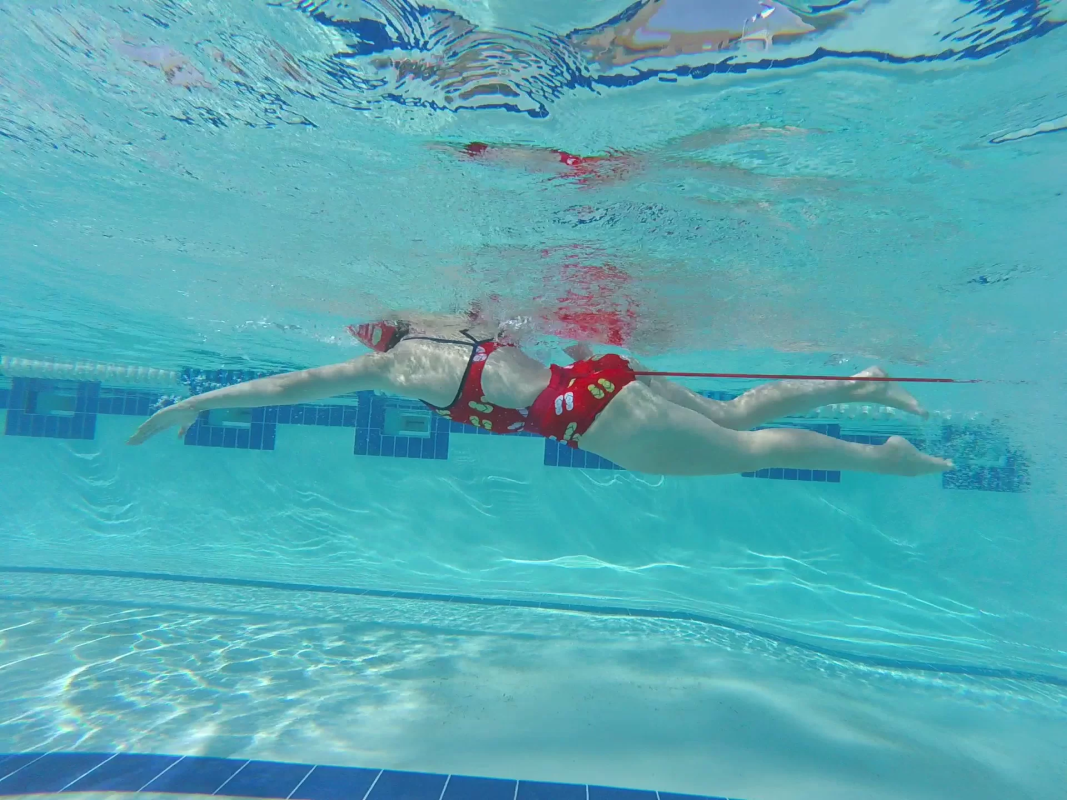
The variety of resistance training gear makes it easy for athletes to tailor their workouts to their needs. From free weights and kettlebells to resistance bands and medicine balls the options are endless. This versatility allows for workouts that can target specific weaknesses or strengths.
Adapting resistance training to your unique training goals can give you a personalized training experience. Athletes can easily adjust resistance levels, exercise difficulty and routines to suit their training phase or performance goals. This flexibility means resistance training will always be relevant and effective in your training.
How Does Resistance Training Boost Power?
Explosive strength is a key component of athletic performance especially for swimmers and triathletes. Resistance training increases power output through a combination of strength development and plyometric training. Doing explosive movements like jump squats or weighted medicine ball throws will translate to better starts and faster finishes for competitive events.
Using resistance training for speed gains can be achieved through targeted workouts that focus on quick and powerful movements. Adding these exercises to your training will help you maximize your performance and get faster times and better race day results.
Will Resistance Training Help With Transitions?
Transitions are key for triathletes and resistance training can help a lot with that. Building strength for transitions can mean faster changes between swimming, cycling and running. Resistance training builds muscle memory which is helpful during those critical moments when you’re changing between disciplines.
Plus, building strength for smoother transitions can eliminate the fatigue that comes with transitions. Resistance exercises for core and legs can improve overall athletic performance and mean faster, more efficient movement between disciplines.
Can Resistance Training Help With Injury Prevention?
Injury prevention is a big issue for athletes and resistance training addresses that by strengthening muscles to prevent injuries. By developing balanced muscle development resistance training reduces the risk of overuse injuries that come from repetitive activities like swimming, cycling and running.
Plus, balancing muscle groups for overall health is key to long term athletic performance. Resistance training makes sure no one muscle group becomes too dominant and reduces the risk of injury and makes training more sustainable.
How Can Resistance Training Help With Race Simulation?
Racing in race conditions is key and incorporating resistance training into your race plan can make a big difference. By simulating race scenarios in your resistance workouts you’ll become familiar with the physical demands of race day. That will reduce anxiety and build confidence.
Resistance training in your race plan can also prepare you for the specific challenges of your event. Whether it’s keeping strength during a long swim or powering through the final km of a triathlon, resistance training can make a real difference in your race performance.
Is Customisable Resistance Important in Training?
Adjusting resistance to individual progress is key to good training. Customisable resistance allows you to increase the challenge as you get stronger and that means continued progress over time. That keeps the workouts interesting and progress consistent.
Adjusting workouts as skills develop is crucial to avoid plateaus. Resistance training can be adjusted periodically to match the athlete’s growing abilities, so training remains effective and aligned to your goals.
What’s The Role Of Core Strength?
A strong core is key in swimming and triathlons, it provides stability and balance in each discipline. Resistance training for the core can improve overall athletic performance by allowing better body control and reducing drag in the water. Exercises like planks and Russian twists contribute to core strength and means more powerful strokes and more efficient cycling.
Resistance training for core stability not only improves performance but also posture and reduces the risk of injury. By developing a strong core athletes can maintain better form across all disciplines and be more effective and perform better in competitions.
How Can Periodization in Training Benefit from Resistance Training?
Balancing intensity and recovery phases is vital for long-term athletic development, and resistance training plays a key role in periodization. By strategically incorporating resistance exercises into training schedules, athletes can manage their workload more effectively while maximizing the benefits of both high-intensity workouts and recovery sessions.
Improving overall training effectiveness through periodization allows for sustained progress. Resistance training can help athletes peak at the right times, ensuring they are in optimal condition for major events while avoiding burnout or injury.
Conclusion
Incorporating resistance training into swimming and triathlon training regimens offers multifaceted benefits, from improved muscle strength and endurance to enhanced recovery and injury prevention. Athletes can refine their technique, increase power output, and prepare more effectively for race day conditions.
Ultimately, resistance training serves as an essential component of comprehensive training strategies. Embracing its benefits and customizing workouts can lead to significant performance gains across all disciplines, paving the way for improved race outcomes and athletic satisfaction. For personalized guidance and top-quality equipment, contact Performance Cubed today.
FAQs
1. How often should I incorporate resistance training into my swimming or triathlon routine?
It’s generally recommended to engage in resistance training two to three times per week, balancing it with your regular swim, bike, and run workouts to avoid overtraining.
2. What types of resistance training exercises are best for swimmers?
Exercises targeting the core, shoulders, and legs such as pull-ups, rows, and squats are particularly beneficial for improving swim performance.
3. Can resistance training help with recovery after intense workouts?
Yes, light resistance exercises can promote blood flow and reduce muscle soreness, aiding in recovery.
4. Is it possible to do resistance training without access to a gym?
Absolutely! Body-weight exercises and resistance bands can be used effectively at home or outdoors. Power-cords, Drag Socks and Drag Chutes can easily be integrated in swimming sessions.
5. How does resistance training affect my overall athletic performance?
Resistance training enhances muscle strength, power, endurance, and technique, all contributing to improved performance in swimming and triathlon events.
2. What types of resistance training exercises are best for swimmers?
Exercises targeting the core, shoulders, and legs such as pull-ups, rows, and squats are particularly beneficial for improving swim performance.
3. Can resistance training help with recovery after intense workouts?
Yes, light resistance exercises can promote blood flow and reduce muscle soreness, aiding in recovery.
4. Is it possible to do resistance training without access to a gym?
Absolutely! Body-weight exercises and resistance bands can be used effectively at home or outdoors.
5. How does resistance training affect my overall athletic performance?
Resistance training enhances muscle strength, power, endurance, and technique, all contributing to improved performance in swimming and triathlon events.